
AREA II
Security of Critical Infrastructure
– ensuring the safety, resilience, and operational continuity of Europe’s most vital installations.
Missions
2.1
2.2
2.3
2.4
2.5
Mission 2.1
Offshore Security
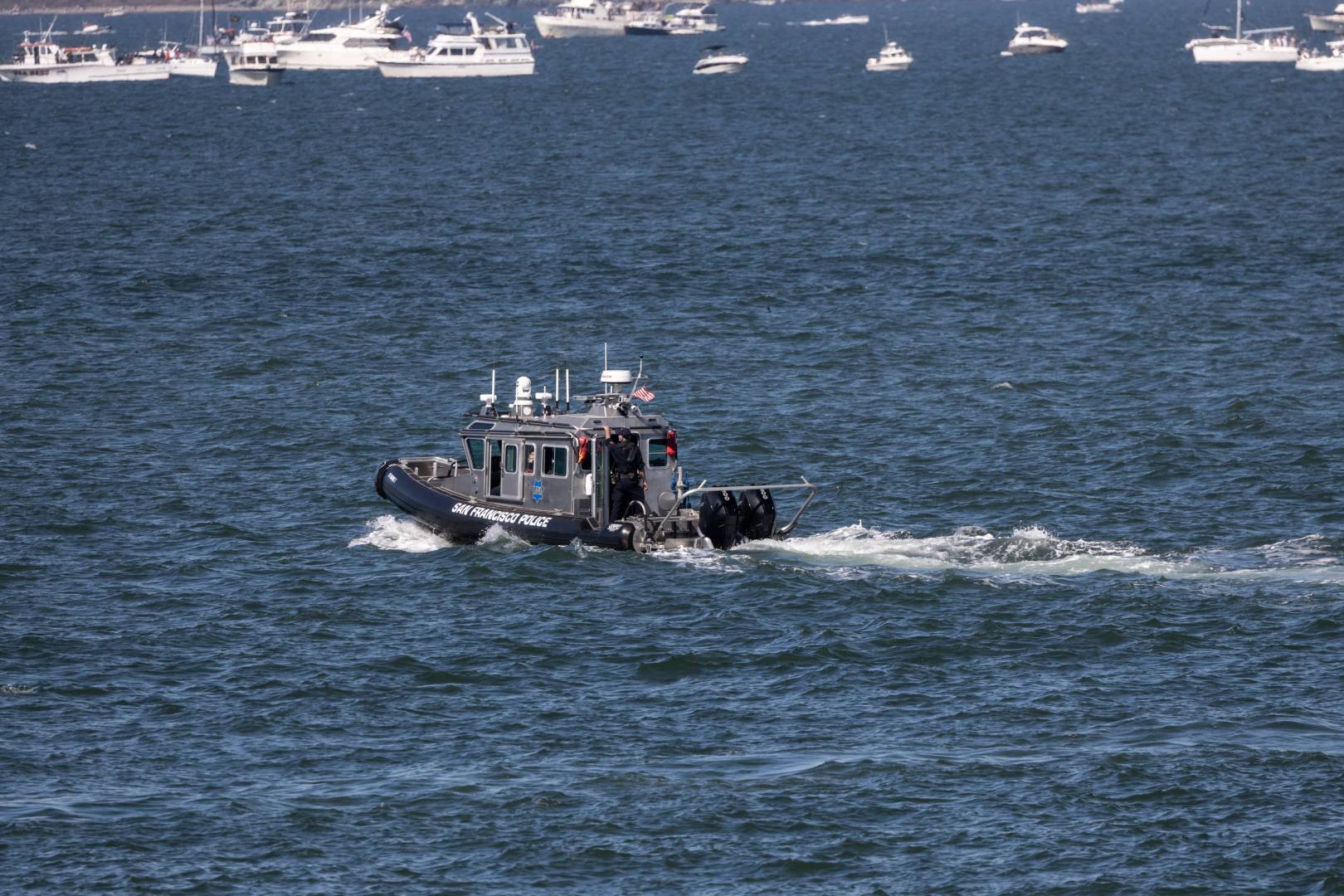
An unmanned boat roams an offshore wind farm, using towed sensors and onboard cameras to detect threats hidden beneath the waves. This mission revolutionizes marine security and survey by automating the search for unexploded ordnance (UXOs) and intruders at sea – tasks traditionally done by large crews – making offshore operations safer and more efficient.
Involved Partners:
VOS, DUS, IZM, NVIDIA, CSEM, TUE, YSCAN, VINOT, GUT, CAPTAI, TUE, SED, SSH
EXPECTED IMPACT
Higher safety and lower costs for offshore surveys and security operations. The autonomous USV can perform UXO detection with minimal human exposure to danger, and cover wider areas faster than manned vessels. Continuous autonomous patrol also strengthens environmental monitoring and safeguards critical offshore infrastructure.
DEMONSTRATOR
A DUS-built USV will patrol an offshore wind farm or test zone, towing a magnetometer to locate dummy UXOs. At the same time, onboard radar, LiDAR, and cameras will perform security sweeps. Connectivity (satellite/5G mesh) and cyber resilience will be tested, including secure remote takeover. Success will be measured by accurate UXO detection and response to staged intrusions under remote supervision.
Mission 2.2
Port Security
In a busy seaport full of containers and machinery, a compact autonomous ground robot serves as a tireless sentry. It navigates day and night through the maze of a port, inspecting warehouses and yards, detecting intruders or hazards that human guards might miss – all while keeping personnel out of harm’s way.
Involved Partners:
TST, NVIDIA, HMAN, FHG_IZM, YSCAN, SZTAKI, ASYA, UGR, ACORDE, UGR, SED, FIXPOS, INR

EXPECTED IMPACT
The port-patrol UGV improves safety and security by running continuous rounds, including in dark or unsafe areas. It detects intrusions, fires, or leaks earlier than human patrols, reducing risks and freeing security staff for higher-level tasks. Its advanced navigation and sensing surpass single-purpose robots, offering scalable, lower-cost port protection.
DEMONSTRATOR
TST’s mini-UGV will be tested in a real or simulated port. It will transition between outdoor yards and warehouses, climb ramps, and patrol aisles. Staged events like an intruder dummy or a heat source simulating fire will test its sensors. The robot will map areas, log incidents, and operate even under limited GPS/comm coverage, proving readiness to augment or replace manual port patrols.
Mission 2.3
Rail Yard Security
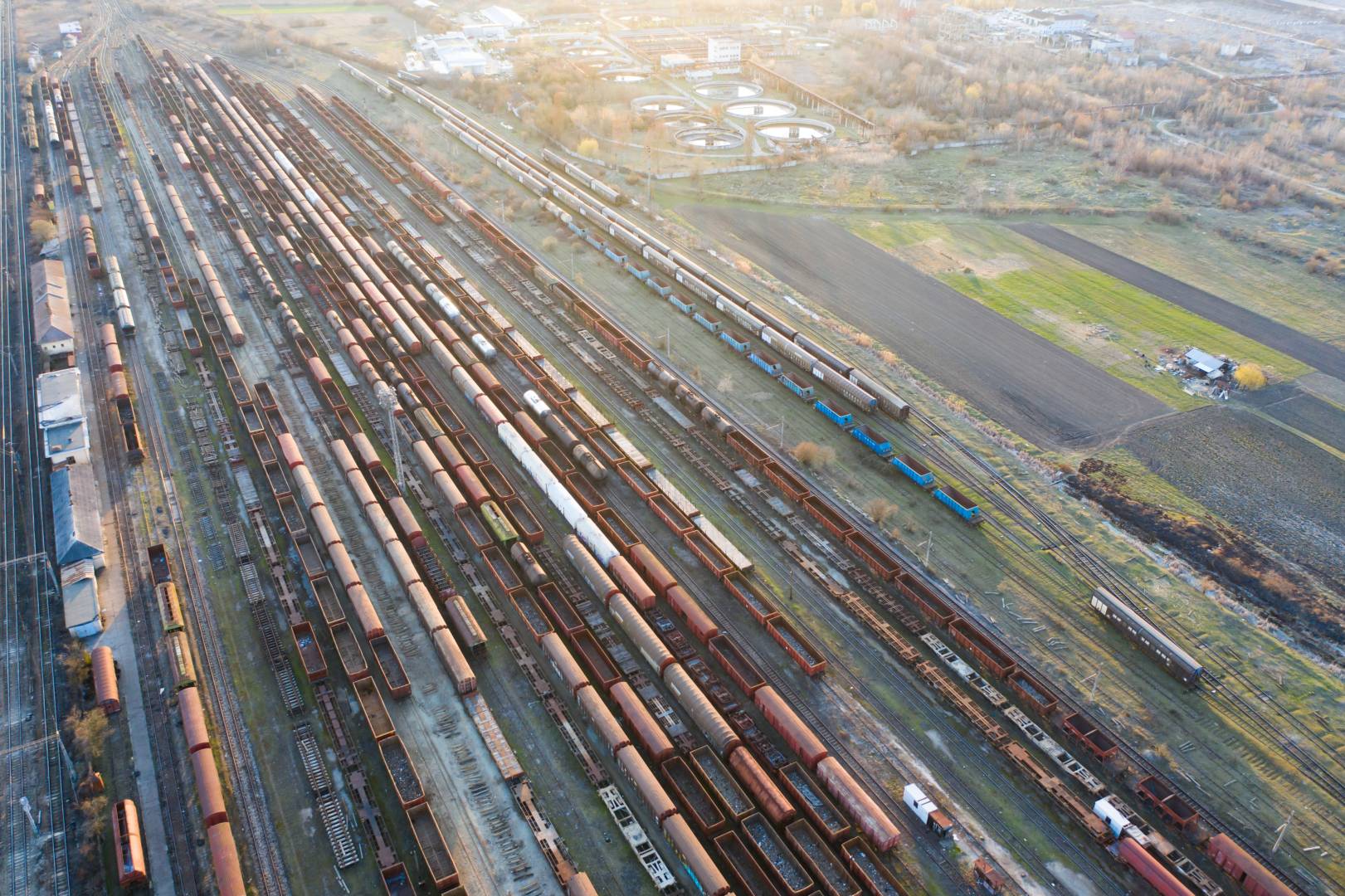
At a major rail yard, a drone and a ground rover work in tandem to secure the facility. The drone provides aerial oversight, while the UGV roams between tracks and trains – together automating inspections that used to happen only weekly, now performed continuously without interrupting operations.
Involved Partners:
AVULAR, VINOT, FIXPOS, NVIDIA, IMEC, VTT, TUE,
EXPECTED IMPACT
UxV teaming enables daily or constant surveillance instead of sporadic checks, catching intrusions or safety issues much sooner. It improves worker safety by automating dangerous inspections and boosts uptime by reducing operational downtime. The mission advances European autonomy and cybersecure alternatives to foreign inspection solutions.
DEMONSTRATOR
AVULAR’s rover with VINOT’s 360° camera and FIXPOS’s localization module will patrol tracks, detect staged anomalies (e.g. fallen cargo, intruder dummy), while a UAV provides overhead support. LDO’s Mission 2.5 software will coordinate both. The system will demonstrate robust GNSS-denied navigation, secure EU-only comms, and hours-long continuous patrol.
Mission 2.4
Energy Substation Security
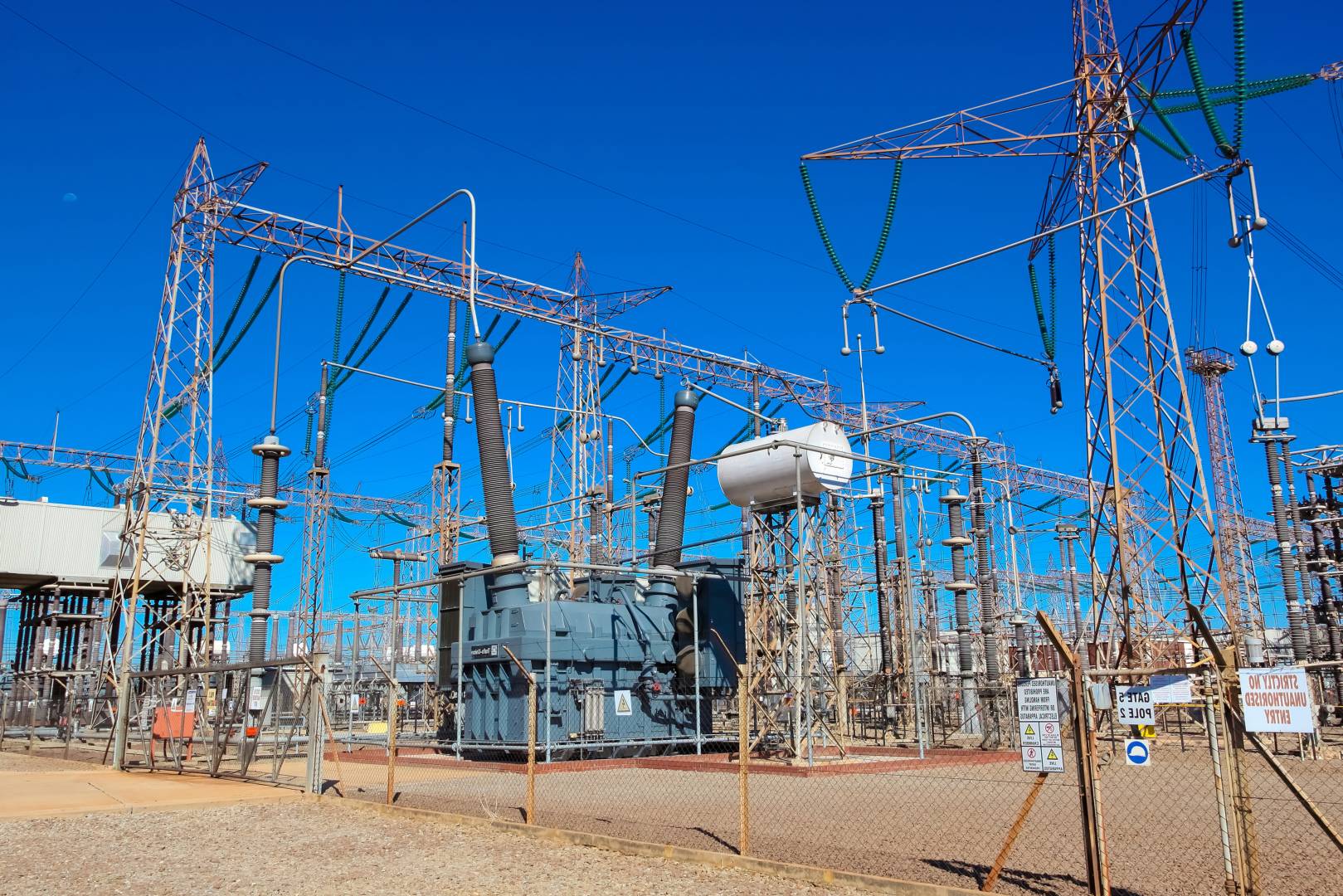
A self-balancing two-wheeled robot guards an electrical substation with minimal oversight. It patrols fences and equipment on gravel or dirt, analyzing video feeds fully on-site, ensuring even isolated substations can be secured without streaming sensitive data externally.
Involved Partners:
ASCEN, ASYA, SZTAKI, UNIPG, IMEC, FIXPOS
EXPECTED IMPACT
Robotic patrols reduce reliance on rare human inspections and prevent intrusions or faults from going unnoticed. On-board AI ensures cybersecurity by avoiding external data transfer. The robot can detect overheating, damage, or trespassers autonomously, helping utilities lower costs and downtime while meeting strict regulatory constraints.
DEMONSTRATOR
The Ascento UGV will patrol a mock or real substation, detecting staged intrusions and heat anomalies. It will operate entirely offline, logging data securely on-site. FIXPOS localization will prove robust positioning under interference. Success will be shown by continuous autonomous patrol and correct anomaly detection without human control.
Mission 2.5
UxV Teaming & Command and Control
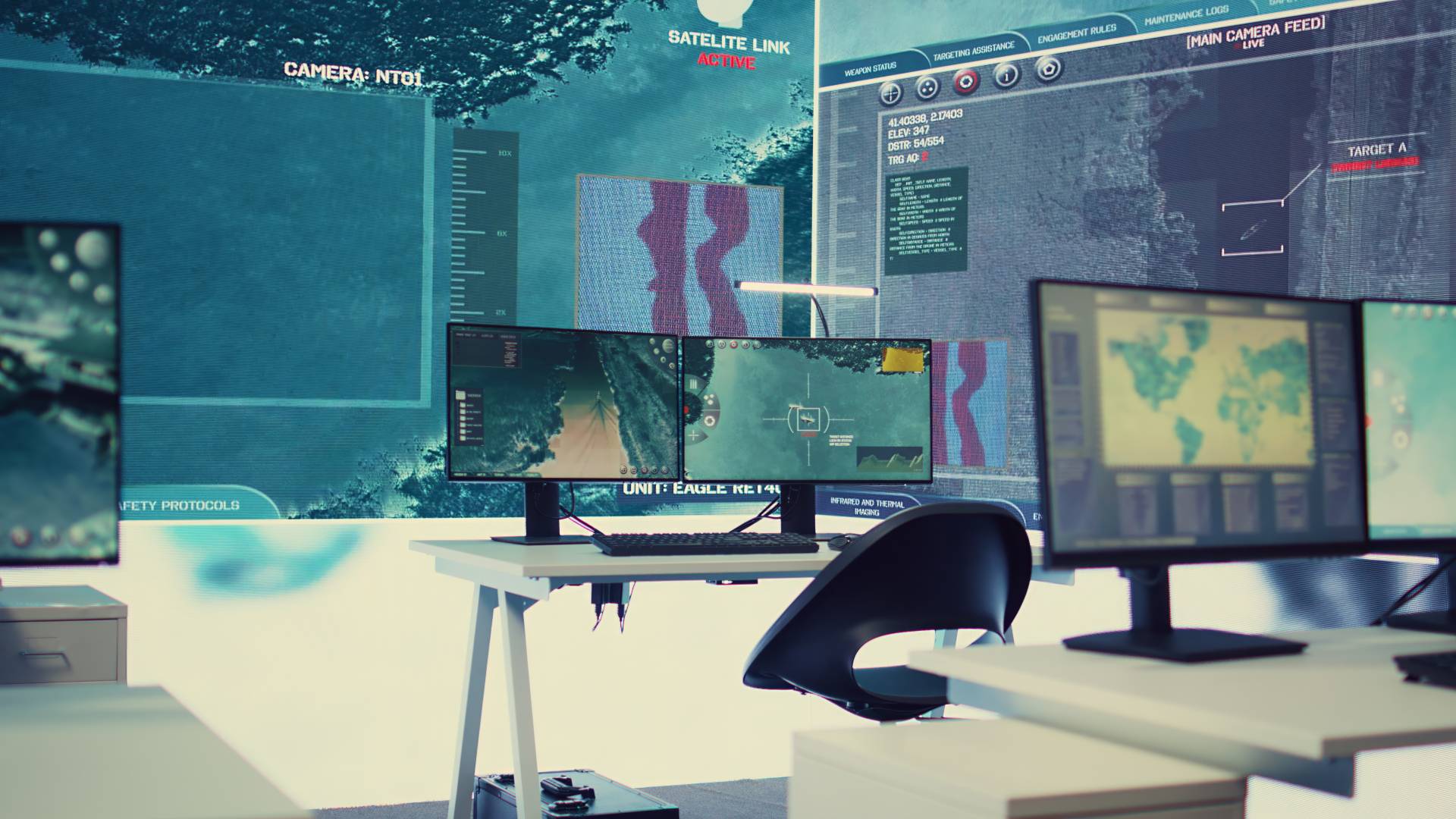
Multiple robots – drones in the sky and rovers on the ground – act as one coordinated unit through a cutting-edge command-and-control system. This mission delivers the “brain” to orchestrate any mix of unmanned vehicles, boosting situational awareness across diverse infrastructure sites.
Involved Partners:
LDO, AITEK, ASYA, LGE, UNIPG, INR, TST, AVULAR, DUS, NOKIA, ASCENTO
EXPECTED IMPACT
Operators can manage fleets of robots as easily as one, multiplying coverage without multiplying staff. Multi-robot autonomy enables collaborative coverage, faster incident response, and blind-spot elimination. The system’s interoperability ensures future scalability across different UxVs, providing Europe with a robust multi-robot security platform.
DEMONSTRATOR
Fleet of drones and a Q-UGV will perform coordinated patrols. A simulated intrusion will trigger AITEK’s video analytics, prompting automatic re-tasking by LDO’s control software. ASYA’s natural-language interface will enable intuitive operator queries. The demo will stress connectivity (LGE/UNIPG antennas) and cybersecurity (INR spoofing detection). Success means 3–5 UxVs operate simultaneously, adapting autonomously to events without human micromanagement.